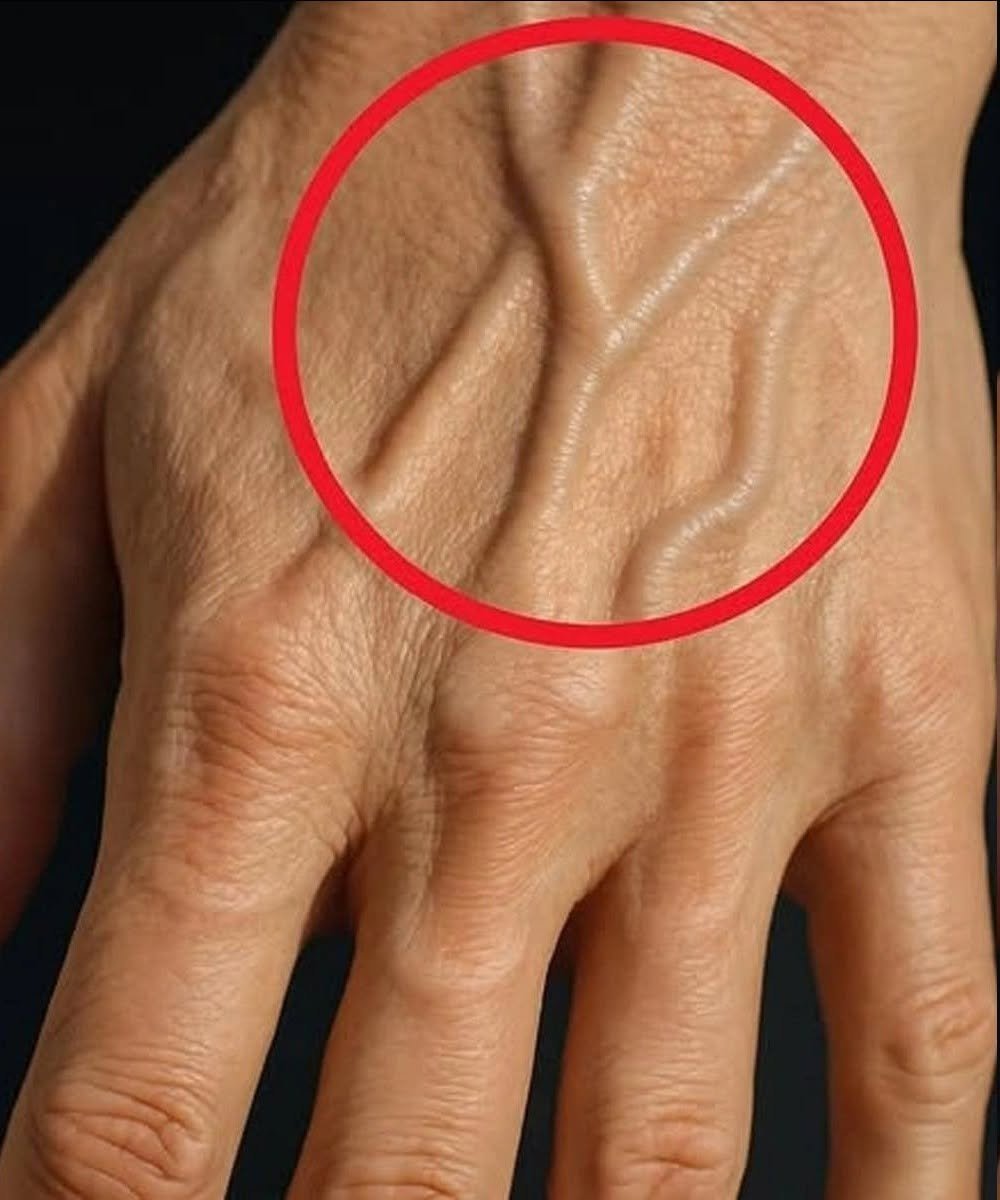
Why Your Veins Suddenly Look More Visible — And What It Actually Means
Have you ever looked down at your hands, arms, legs, or feet and suddenly noticed that your veins seem much more prominent than usual?
Visible veins can be surprising, especially when the change appears to happen quickly. The good news is that prominent veins are often harmless and can result from everyday factors such as exercise, lower body fat, aging, heat, or simply having veins that sit close to the surface of the skin. (Cleveland Clinic)
However, a sudden change accompanied by pain, swelling, redness, warmth, or other symptoms shouldn’t be ignored.
Why Do Veins Become More Visible?
Veins located close to the skin’s surface can naturally become easier to see when blood flow increases or the tissues surrounding them change.
1. Exercise
One of the most common reasons veins suddenly appear more prominent is physical activity.
During exercise—particularly resistance training—blood flow to working muscles increases. As muscles become more developed and the surrounding layer of body fat decreases, superficial veins can become easier to see. (Cleveland Clinic)
That’s why athletes and people who regularly lift weights may notice pronounced veins in their arms, shoulders, hands, or legs.
In many cases, the veins become less noticeable again after the body returns to its normal resting state.
2. Changes in Body Fat
If you’ve recently lost weight or body fat, veins may become much easier to see.
A thinner layer of tissue beneath the skin means superficial veins have less tissue covering them. This can make previously subtle veins appear much more prominent, particularly on the hands, forearms, and legs. (Cleveland Clinic)
This isn’t necessarily a sign of a health problem.
3. Heat and Temporary Changes in Blood Flow
Temperature can also affect how noticeable your veins appear. Heat causes blood vessels near the skin to widen, which can make superficial veins more apparent.
You may therefore notice more prominent veins after exercising, taking a hot shower, spending time outdoors in warm weather, or becoming overheated.
4. Aging
Veins can become easier to see as you get older.
With age, skin becomes thinner and loses some of its elasticity. This can make blood vessels beneath the skin more visible. At the same time, aging increases the likelihood of developing varicose veins because vein walls and valves can become less effective. (Cleveland Clinic)
When Visible Veins May Be Varicose Veins
Not all prominent veins are varicose veins.
Varicose veins are typically swollen, twisted or rope-like veins that develop just beneath the skin, most often on the legs, feet, and ankles. They occur when valves inside veins don’t work properly, allowing blood to pool and increasing pressure within the vein. (Cleveland Clinic)
They may be accompanied by:
- Aching or soreness
- A heavy or tired feeling in the legs
- Itching
- Swelling
- Muscle cramps
- Skin discoloration
Many varicose veins aren’t dangerous, but persistent or worsening symptoms should be evaluated by a healthcare professional. (Cleveland Clinic)
Could Prominent Veins Mean a Blood Clot?
Usually, simply having visible veins does not mean you have a blood clot.
However, a newly prominent vein combined with other symptoms can sometimes be associated with a vein problem, including deep vein thrombosis (DVT).
DVT can cause swelling, pain or tenderness, warmth, skin discoloration, and enlarged surface veins—typically affecting one leg or arm. (Cleveland Clinic)
That’s why the context matters.
A vein that becomes noticeable after a workout is very different from a suddenly prominent vein accompanied by unexplained swelling and pain.
Red Flags You Shouldn’t Ignore
Seek medical attention promptly if a newly visible or bulging vein is accompanied by:
- Significant pain or tenderness
- Sudden swelling, particularly on one side
- Red or discolored skin
- Warmth around the vein
- Bleeding from a vein
- A vein that feels hard or unusually tender
These symptoms can indicate inflammation, a blood clot, or another circulation problem. (Cleveland Clinic)
What About Chest Pain or Shortness of Breath?
This is especially important.
A blood clot that forms in a deep vein can sometimes travel to the lungs, causing a pulmonary embolism. Warning signs include sudden shortness of breath, chest pain, coughing up blood, dizziness, or fainting. These symptoms require emergency medical attention. (Mayo Clinic)
What Can You Do to Keep Your Veins Healthy?
You can’t prevent every visible vein, and visible veins themselves aren’t necessarily unhealthy.
Still, several habits can support healthy circulation:
- Stay physically active.
- Avoid sitting or standing in one position for very long periods.
- Take regular walking or movement breaks.
- Maintain a healthy weight.
- Elevate your legs when appropriate if they become uncomfortable or swollen.
- Avoid tobacco products.
- Discuss persistent vein symptoms with a healthcare professional. (Cleveland Clinic)
If you already have varicose veins, a healthcare professional can determine whether lifestyle measures are sufficient or whether further evaluation or treatment is appropriate.
The Bottom Line
Suddenly noticing your veins doesn’t automatically mean something is wrong.
Exercise, weight loss, heat, genetics, and normal changes in the skin can all make superficial veins more visible. For many people, prominent veins are simply a normal variation in appearance. (Cleveland Clinic)
What matters is what else is happening.
If the change is accompanied by sudden swelling, pain, warmth, redness, or discoloration—especially in one limb—it’s worth getting medical advice rather than assuming it’s harmless. And if chest pain or sudden difficulty breathing occurs, seek emergency care immediately. (Cleveland Clinic)
This article is for general educational purposes and isn’t a diagnosis. New or unexplained vein changes should be assessed by a qualified healthcare professional when accompanied by concerning symptoms.