Sarcopenia: Causes of Muscle Loss and Solutions
Muscle loss is often treated as an unavoidable part of getting older.
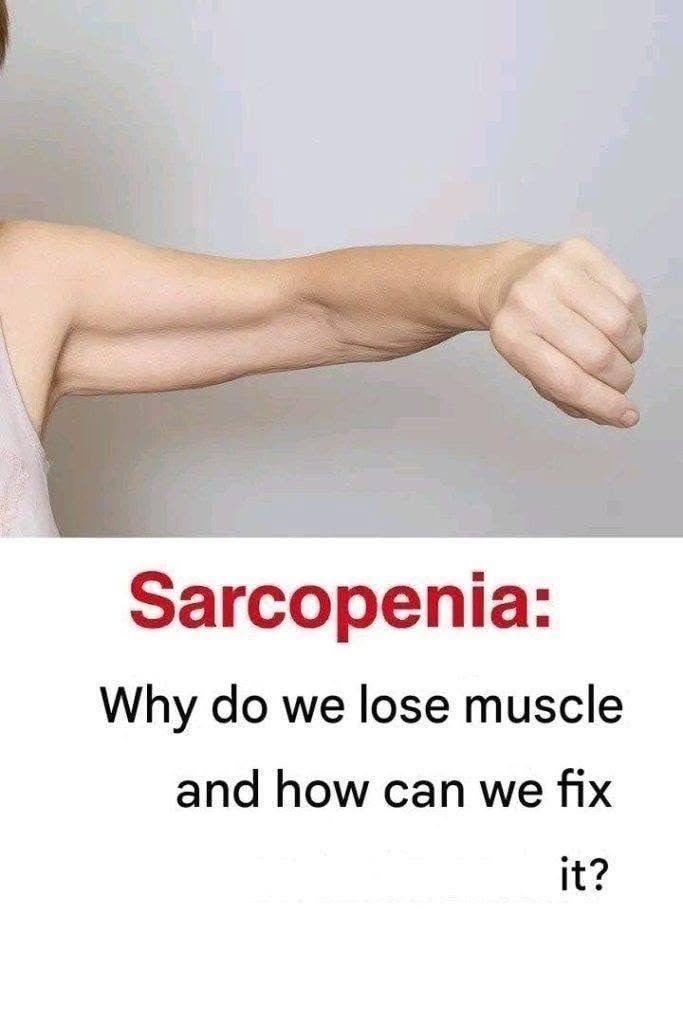
Some decline in muscle mass does happen with aging, but significant muscle loss is not something you simply have to accept. Sarcopenia is a condition involving loss of muscle mass and, importantly, muscle strength and physical function. It can make everyday activities harder and increase the risk of falls and loss of independence. (National Institute on Aging)
The good news is that there are practical ways to protect muscle—and in many cases improve strength—even later in life.
What causes sarcopenia?
Sarcopenia usually doesn’t have one single cause. Several factors can contribute.
1. Aging
As we grow older, changes in muscle biology and hormones can make it harder for the body to maintain and build muscle. The process can become more noticeable later in life. (Mayo Clinic)
2. Too little physical activity
This is one of the most important factors you can change.
Long periods of sitting, bed rest, or simply not challenging the muscles can accelerate weakness. NIA notes that inactivity can contribute to loss of mobility, while regular physical activity helps maintain muscle function. (National Institute on Aging)
3. Inadequate nutrition
Muscles need adequate energy and protein to maintain themselves.
Older adults may eat less because of reduced appetite, dental problems, difficulty preparing food, illness, or other factors. Poor nutrition can therefore contribute to muscle loss.
Protein is important, but taking enormous amounts isn’t the answer. Individual needs vary, particularly for people with kidney disease or other medical conditions.
4. Chronic illness
Conditions such as diabetes, heart failure, cancer, and other chronic diseases can contribute to muscle wasting. Inflammation and illness-related inactivity can make the problem worse. (Mayo Clinic)
5. Hospitalization or prolonged bed rest
Even a relatively short period of inactivity can leave an older adult noticeably weaker.
After hospitalization or an injury, getting safely moving again is an important part of recovering physical function. (National Institute on Aging)
How can you fight muscle loss?
Strength training comes first
Walking is excellent for cardiovascular health, but muscles also need resistance.
Strength training can include weights, resistance bands, machines, or appropriately challenging body-weight exercises. NIA specifically identifies resistance exercise as an effective way to build muscle and reduce the risk of falling. (National Institute on Aging)
A simple routine might include exercises such as:
- Sit-to-stand from a sturdy chair
- Wall push-ups
- Resistance-band rows
- Step-ups
- Heel raises
- Light dumbbell exercises
Start at an appropriate level and gradually increase the challenge.
If you’ve been inactive, have significant weakness, or have a medical condition, ask your healthcare professional or physical therapist how to begin safely.
Don’t forget balance and aerobic activity
Muscle strength isn’t the only goal.
Walking, cycling, swimming, balance exercises, and other activities can support overall physical function. NIA reports that regular physical activity can help protect against age-related loss of muscle mass, strength, and function and can help reduce fall risk. (National Institute on Aging)
A well-rounded program therefore combines strength, movement, and balance rather than relying on a single type of exercise.
Eat enough protein—but don’t chase miracle foods
Protein provides the amino acids your body uses to maintain and repair muscle.
Good sources include:
- Eggs
- Fish
- Chicken and other lean meats
- Milk and yogurt
- Beans and lentils
- Tofu and other soy foods
- Nuts and seeds
Rather than focusing on one “muscle-building” food or supplement, aim for a balanced eating pattern that provides enough protein and calories for your individual needs.
People with kidney disease or other medical conditions should discuss protein intake with their healthcare professional before substantially increasing it. (Mayo Clinic News Network)
Can older adults still gain strength?
Absolutely.
One of the most encouraging facts about sarcopenia is that older muscles can still respond to resistance training. Research summarized by NIA has found that older adults can make meaningful gains from resistive strength training. (National Institute on Aging)
That means it’s not necessarily “too late.”
You don’t need to become a bodybuilder. Being strong enough to climb stairs, rise from a chair, carry groceries, and maintain your balance can make a tremendous difference in independence.
Watch for warning signs
Talk with a healthcare professional if you notice:
- Increasing difficulty getting out of a chair
- A noticeable decline in walking speed
- Trouble climbing stairs
- Frequent falls or near-falls
- Difficulty carrying ordinary objects
- Unexplained weight or muscle loss
- Increasing fatigue or weakness
These symptoms can have many causes, and not all weakness is sarcopenia. A clinician can evaluate strength, physical function, nutrition, medications, and possible underlying illnesses.
The bottom line
Sarcopenia is more than simply getting thinner or weighing less. Muscle strength and physical function matter just as much as muscle size.
The most useful strategy is surprisingly straightforward:
Challenge your muscles regularly, stay physically active, eat enough nutritious food and protein, and address medical problems that may be contributing to muscle loss.
You don’t have to wait until you’re weak to start.
And if you’ve already lost strength, don’t assume there’s nothing you can do. With an appropriately designed exercise program and adequate nutrition, many older adults can improve their strength and physical function—and protect their independence for years to come. (National Institute on Aging)