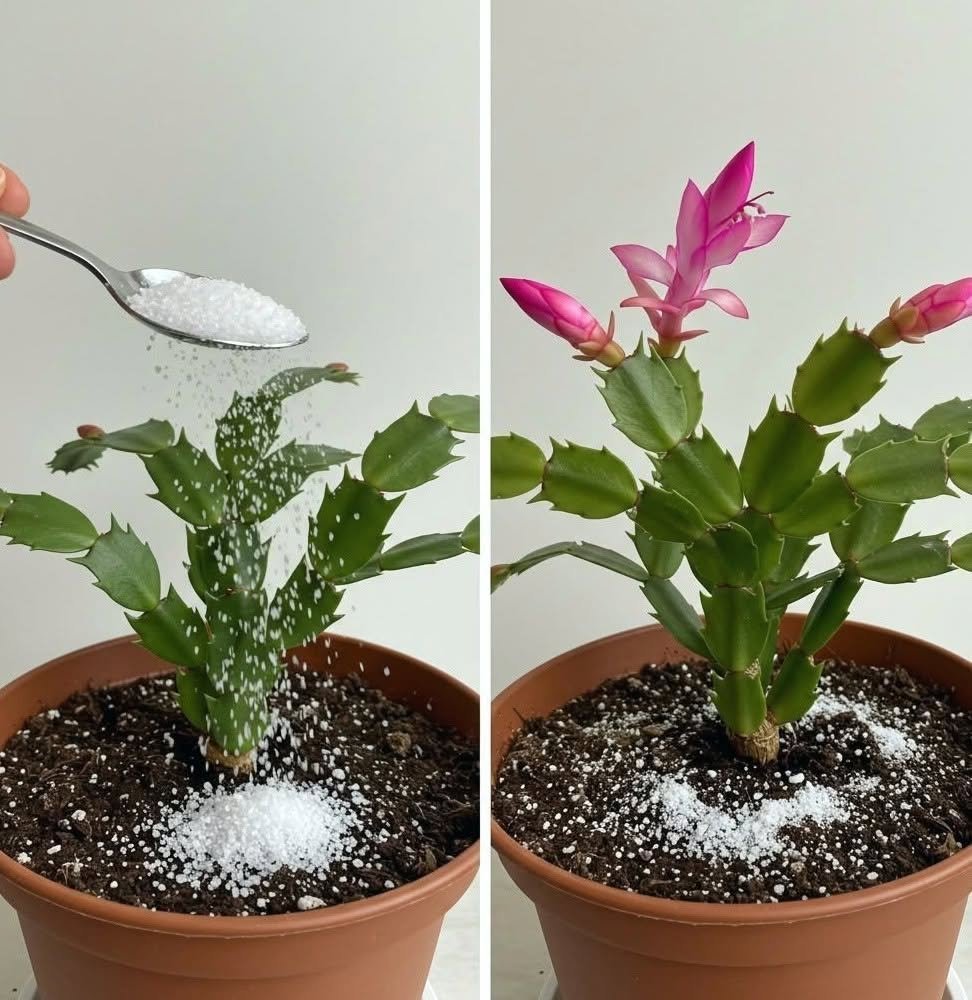
Fall Awakening: Breathing Life Into House Flowers With a Little Secret
As summer fades and the days become shorter, many houseplants begin to look a little tired.
Leaves may yellow. New growth slows. Flowers disappear. Soil that once dried quickly can remain damp for much longer.
But autumn doesn’t have to mean the end of your indoor garden.
In fact, fall is the perfect time to change your plant-care routine and help your houseplants prepare for the months ahead.
And the “little secret” isn’t an expensive fertilizer or a complicated gardening trick.
It’s learning to work with the seasonal change.
The biggest autumn mistake: treating plants like it’s still summer
During summer, stronger light and warmer temperatures often mean faster growth and greater water needs.
When autumn arrives, light levels decrease and many houseplants slow down. That means they generally don’t need the same amount of water they did during the summer. (Growli)
So if you’ve been watering on the same schedule all year, it’s time to reconsider.
Instead of watering according to the calendar, check the soil.
If the plant’s soil is still moist, wait.
Overwatering when growth has slowed can leave roots sitting in excess moisture and increase the risk of root problems. (Better Homes & Gardens)
Give your flowers more light
One of autumn’s biggest challenges is disappearing daylight.
A spot that was bright in July may be considerably dimmer by October or November. Most houseplants need good natural light, and insufficient light can lead to weak, stretched growth. (extension.okstate.edu)
Move plants closer to an appropriate bright window if necessary, while avoiding sudden exposure to harsh direct sunlight for plants that are sensitive to it.
Clean dusty leaves, too.
It takes only a few minutes, but clean foliage makes it easier to inspect your plants and keep them looking fresh.
The secret is not “more fertilizer”
It’s tempting to think a struggling plant simply needs more food.
Usually, that’s not the answer.
As growth slows, plants generally need less fertilizer. Continuing an aggressive summer feeding schedule when a plant isn’t actively growing can do more harm than good. The Royal Horticultural Society recommends limiting feeding during winter because lower light reduces the plant’s ability to make use of fertilizer. (RHS)
If your plants are still actively growing, follow the fertilizer instructions for the specific species.
Otherwise, let them slow down naturally.
Sometimes the best care is knowing when to do less.
Bring outdoor plants inside carefully
If you spent the summer moving houseplants outdoors, don’t wait until the first cold night to think about bringing them back inside.
Inspect them carefully for insects and other pests before they enter the house.
Then give them time to adjust.
A plant that has enjoyed bright outdoor light can suddenly find indoor light dramatically weaker. A gradual transition can help reduce stress and leaf drop. (Growli)
This is particularly important for plants that have spent months outside.
Don’t panic when a few leaves fall
One of the most alarming sights after bringing a plant indoors is suddenly seeing yellow or fallen leaves.
But some leaf loss can simply be a response to the change in light and environment.
Outdoor leaves develop under much brighter conditions than most indoor spaces provide. When conditions change, a plant may shed leaves that it can no longer efficiently support. (Growli)
That doesn’t mean you should ignore serious problems.
Check the soil, roots, light, temperature, and leaves for signs of pests or disease.
But don’t assume every fallen leaf means your plant is dying.
A simple autumn revival routine
If your houseplants look tired this fall, try this five-step reset:
1. Check the soil.
Water only when the plant actually needs it.
2. Reassess the light.
Move plants toward suitable brighter locations as daylight decreases.
3. Clean the leaves.
Remove dust and inspect carefully for pests.
4. Reduce feeding.
Match fertilizer use to the plant’s actual growth rather than following a summer routine.
5. Give the plant time.
Autumn is a transition period. Not every plant needs to produce new leaves or flowers immediately.
And here’s the real secret
Healthy houseplants aren’t created by constantly adding something.
Sometimes the secret is simply paying attention to what has changed.
Less daylight means less water may be needed.
Cooler conditions can slow growth.
Indoor heating can make the air drier.
And plants that have spent the summer outside need time to adjust when they return indoors.
Once you understand those changes, fall becomes less of a threat and more of a transition.
Your flowers may not grow as quickly as they did in summer.
They don’t have to.
The goal is to help them remain healthy, strong, and ready for the next growing season.
So before you give your tired houseplants another splash of water or another dose of fertilizer, stop and look at them.
Maybe what they need isn’t more.
Maybe they simply need you to listen to the season.