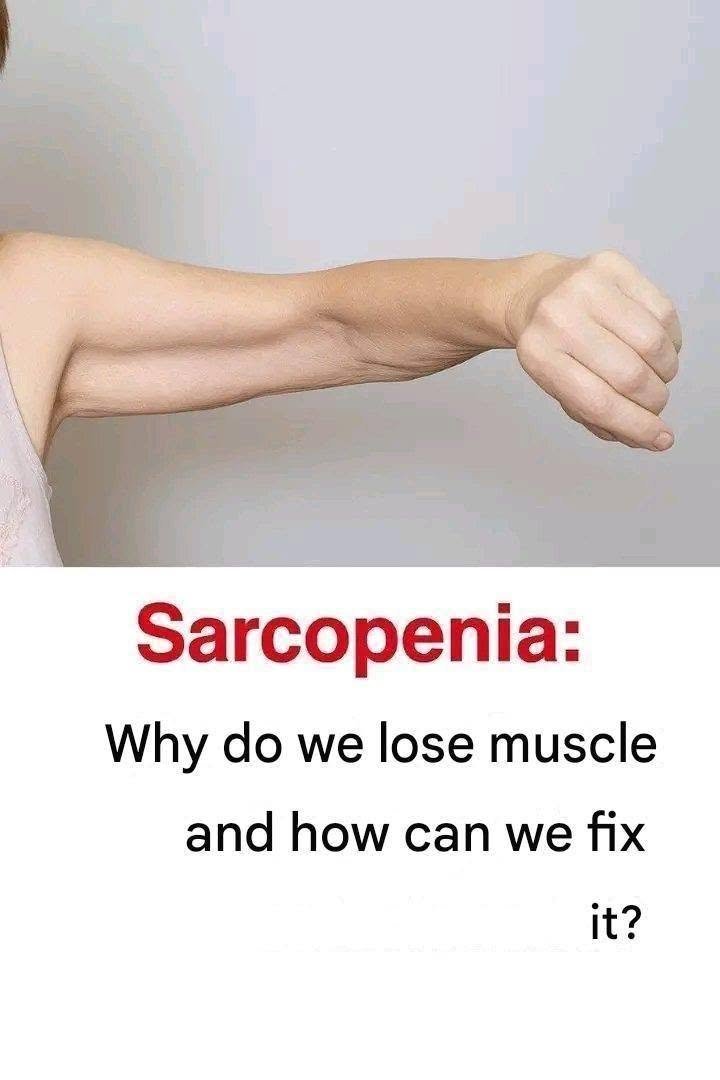
Sarcopenia: Causes of Muscle Loss and Solutions
Muscle loss is often treated as an inevitable part of aging. It isn’t.
Some reduction in muscle mass occurs naturally as we get older, but a significant decline in muscle strength and physical function can become a medical condition called sarcopenia. It can make everyday activities—such as climbing stairs, getting out of a chair, carrying groceries, or walking—progressively harder. (PubMed)
The encouraging news is that muscle health can be improved at almost any age.
What Is Sarcopenia?
Sarcopenia is a condition involving declining skeletal-muscle strength, with reduced muscle quantity or quality used to confirm the diagnosis. Poor physical performance can indicate more severe disease. Although it is more common with aging, it can also occur earlier in life. (PubMed)
It’s important to understand that muscle size isn’t the whole story. Someone can have relatively normal-looking muscles while experiencing a meaningful decline in strength.
1. Aging
As we age, the body becomes less efficient at maintaining and building muscle.
Hormonal changes, alterations in muscle metabolism, reduced physical activity, and changes in how muscles respond to dietary protein can all contribute to gradual muscle loss.
This doesn’t mean muscle loss is unavoidable. Regular strength exercise and adequate nutrition can help preserve muscle function.
2. Too Little Resistance Exercise
One of the biggest modifiable contributors is simply not challenging the muscles enough.
Long periods of sitting, inactivity, hospitalization, or avoiding physical activity can accelerate muscle loss.
Resistance training is one of the most strongly supported interventions for sarcopenia. Clinical guidelines recommend resistance-based exercise as a cornerstone of treatment. (PubMed)
You don’t necessarily need a gym.
Depending on your ability, useful exercises can include:
- Chair squats or sit-to-stands
- Resistance-band exercises
- Wall or countertop push-ups
- Step-ups
- Light dumbbell exercises
- Leg raises and calf raises
Start at an appropriate level and increase resistance gradually.
3. Not Eating Enough Protein
Muscle requires protein to repair and maintain itself.
Older adults who consume too little protein—particularly when combined with inactivity—may be at greater risk of losing muscle.
A protein-rich diet is conditionally recommended in clinical guidelines for people with sarcopenia. (PubMed)
Good sources include:
- Eggs
- Fish
- Chicken and other lean meats
- Milk and yogurt
- Cottage cheese
- Beans and lentils
- Soy and tofu
- Nuts and seeds
Rather than relying on one enormous protein-heavy meal, many people may find it easier to include a protein source at each meal.
If you have kidney disease or another condition requiring dietary protein restrictions, ask your clinician or dietitian before substantially increasing protein intake.
4. Unintentional Weight Loss and Poor Nutrition
Muscle loss can accelerate when someone isn’t consuming enough calories or nutrients.
Loss of appetite, difficulty chewing or swallowing, illness, depression, medication side effects, or simply eating less with age can all contribute to inadequate nutrition.
If weight is falling unintentionally, don’t assume it’s simply “getting older.” It deserves medical evaluation.
5. Chronic Illness
Sarcopenia can occur alongside chronic diseases, including conditions such as heart failure, chronic lung disease, kidney disease, and cancer. In these situations, treating the underlying illness is an important part of addressing muscle loss. (PubMed)
Some medications and prolonged periods of hospitalization or bed rest can also contribute to weakness and loss of physical function.
6. Inflammation and Metabolic Changes
Chronic disease and aging can be accompanied by changes in inflammation and metabolism that negatively affect muscle.
This is one reason sarcopenia isn’t simply a matter of “not exercising enough.” Several biological processes can contribute simultaneously.
The Most Effective Solution: Exercise + Nutrition
The strongest practical strategy is generally a combination of progressive resistance exercise and adequate nutrition.
A recent systematic review found that exercise interventions—particularly resistance-based and multicomponent programs—can improve muscle strength, muscle mass, and physical performance in older adults with sarcopenia. (PubMed)
Research also suggests that combining resistance training with appropriate protein intake can provide additional benefits compared with nutrition or exercise alone, although the certainty of evidence varies between outcomes. (PubMed)
A Simple Weekly Approach
For someone medically cleared for exercise, a reasonable starting framework might be:
2–3 days: resistance training
Most days: walking or other appropriate aerobic activity
Every day: adequate protein and overall nutrition
Regularly: balance and mobility exercises
The program should be adapted to the individual’s age, fitness level, medical conditions, and current strength.
How Do You Know If You Might Have Sarcopenia?
Possible warning signs include:
- Increasing difficulty getting up from a chair
- Trouble climbing stairs
- Slower walking
- Difficulty carrying groceries
- Frequent falls
- Noticeable weakness
- Declining ability to perform everyday activities
- Unintentional loss of muscle or body weight
These symptoms don’t prove sarcopenia. Weakness can have many causes.
Healthcare professionals can assess muscle strength and physical performance and, when appropriate, measure muscle quantity using tools such as bioelectrical impedance or dual-energy X-ray absorptiometry (DXA). (PubMed)
Don’t Wait Until You’re Frail
One of the biggest mistakes is waiting until someone has become severely weak before addressing muscle health.
Muscle is built through use.
Strength training, sufficient protein, adequate calories, good sleep, and management of chronic diseases can all contribute to maintaining physical independence as we age.
And you don’t have to become a bodybuilder.
The goal is much simpler:
Stay strong enough to live independently, move confidently, and keep doing the things you enjoy.
If you notice rapidly worsening weakness, unexplained weight loss, repeated falls, or difficulty performing everyday activities, talk with a healthcare professional rather than assuming it’s normal aging. (NIA)
This article is for general education and isn’t a substitute for individualized medical advice.