The Secret to a Bug-Free Home: Natural Pest Control Remedies That Actually Work
Nobody likes discovering a fly buzzing around the kitchen, mosquitoes gathering near the patio, or a cockroach appearing when the lights go out.
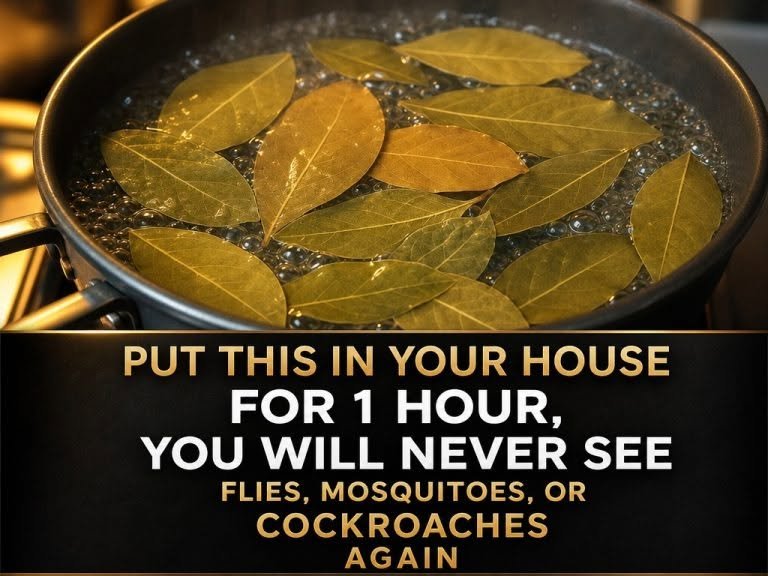
That is why simple home remedies—especially the popular trick of simmering bay leaves in water—have become so popular online.
But there is an important distinction between a remedy that smells unpleasant to insects and one that can actually eliminate a pest infestation.
The good news is that you can reduce many household pests naturally by combining a few simple, practical strategies.
Can Bay Leaves Really Keep Bugs Away?
Bay leaves have a strong aroma, and compounds in bay leaf essential oil have shown insect-repellent activity in laboratory studies.
However, there isn’t good evidence that simply boiling bay leaves for an hour will make a home permanently free of flies, mosquitoes, or cockroaches.
So if you enjoy the smell, simmering a few bay leaves can be a pleasant household practice—but don’t rely on it as your primary pest-control method.
The same applies to many viral recipes involving vinegar, citrus peels, cinnamon, cloves, or essential oils. Some may discourage particular insects temporarily, but their effectiveness varies considerably.
1. Keep Food Out of Reach
One of the most effective forms of natural pest control is also one of the simplest:
Remove the food source.
Store foods in sealed containers and avoid leaving uncovered fruit, leftovers, pet food, or crumbs on counters.
Pay particular attention to:
- Sugar and sweets
- Bread and baked goods
- Pet food
- Overripe fruit
- Food scraps
- Greasy surfaces
- Open garbage
Even small amounts of food can attract insects.
2. Don’t Give Cockroaches Easy Access to Water
Cockroaches don’t only look for food.
They also need moisture.
Fix leaking faucets and pipes, wipe up standing water, and avoid leaving wet sponges or cloths sitting around overnight.
Check areas underneath sinks and around appliances for persistent dampness.
Reducing moisture can make your home less attractive to many household pests.
3. Seal the Cracks
A tiny opening can be a surprisingly convenient entrance for insects.
Inspect areas around:
- Doors and windows
- Plumbing pipes
- Baseboards
- Cabinets
- Utility lines
- Vents
- Cracks in walls
Caulk or seal appropriate gaps, and make sure doors and windows close properly.
This approach doesn’t depend on chemicals—and it addresses the problem at its source.
4. Use Window and Door Screens
If mosquitoes and flies constantly enter your home, check your screens.
A small tear can be enough to let insects inside.
Repair damaged screens and consider using fine-mesh screens where appropriate.
Keeping doors closed when they’re not being used is another simple step that can make a noticeable difference.
5. Try a Simple Fly Trap
For fruit flies, sanitation should come first.
Remove overripe fruit, clean food residue from counters, rinse recyclable containers, and keep garbage covered.
A simple vinegar trap can sometimes help reduce adult fruit flies:
Place a small amount of apple-cider vinegar in a container and add a tiny amount of dish soap. The vinegar attracts the flies, while the soap reduces the surface tension of the liquid.
This is a control measure—not a substitute for removing the breeding source.
6. Make Your Home Less Attractive to Mosquitoes
Mosquitoes can breed in surprisingly small amounts of standing water.
Regularly empty or clean water-holding containers such as:
- Plant saucers
- Buckets
- Children’s outdoor toys
- Unused containers
- Birdbaths
- Clogged gutters
Keeping these areas dry or changing the water regularly can help reduce mosquito breeding opportunities.
For outdoor protection, properly fitted screens, long sleeves, and an appropriate insect repellent are generally more reliable than household fragrances alone.
7. Keep Your Kitchen Clean at Night
A clean kitchen is one of your best defenses against unwanted visitors.
Before going to bed:
Wipe the counters.
Sweep the floor.
Clean food spills.
Take out overflowing garbage.
Wash or rinse dirty dishes.
Pay special attention to areas underneath appliances and around trash cans.
8. Don’t Forget the Garbage
A garbage can containing food scraps is essentially an all-you-can-eat buffet for insects.
Use a container with a secure lid and empty it regularly.
If something leaks inside the bin, clean it thoroughly rather than simply replacing the garbage bag.
9. Use Sticky Traps to Find the Problem
Sticky traps can be useful for monitoring certain crawling insects.
They can tell you where insects are appearing and whether your control efforts are working.
Place them in areas where activity has been noticed, such as behind appliances, along walls, or underneath sinks.
Keep traps away from children and pets.
10. When Natural Remedies Aren’t Enough
Natural methods are useful for prevention and for dealing with small numbers of pests.
But a persistent infestation is different.
If you’re repeatedly seeing cockroaches during the day, finding numerous insects, discovering droppings, or noticing pests coming from inside walls or other inaccessible areas, the problem may require professional pest management.
Trying one household remedy after another can allow an infestation to grow.
What About the Bay-Leaf Trick?
If you want to try the method shown in the viral image, you can place several dried bay leaves in a pot of water and simmer them for a short period while staying nearby and following normal stovetop safety precautions.
Just keep expectations realistic.
The pleasant aroma may make your home smell fresh, and bay-leaf compounds have demonstrated insect-related activity in research, but there is no reliable evidence that simmering bay leaves for one hour will permanently eliminate flies, mosquitoes, or cockroaches.
Don’t leave a pot boiling unattended, and don’t place hot water or bay leaves where children or pets can reach them.
The Most Effective “Natural” Pest Control
The best approach isn’t usually one magical ingredient.
It’s a combination of simple habits:
Remove food.
Eliminate standing water.
Reduce moisture.
Seal entry points.
Repair screens.
Keep garbage covered.
Clean regularly.
Monitor for signs of infestation.
These measures attack the conditions pests need to survive rather than simply trying to make your home smell unpleasant to them.
Final Thought
A viral kitchen remedy may sound like a secret trick, but there is no single household ingredient that can guarantee a bug-free home.
Bay leaves can be part of a pleasant-smelling routine, but good sanitation, moisture control, exclusion, and appropriate pest management are far more dependable.
The real secret isn’t hiding in a pot of boiling leaves.
It’s making your home a place where pests have fewer reasons—and fewer opportunities—to stay.